Logical Architecture – Cloud Security
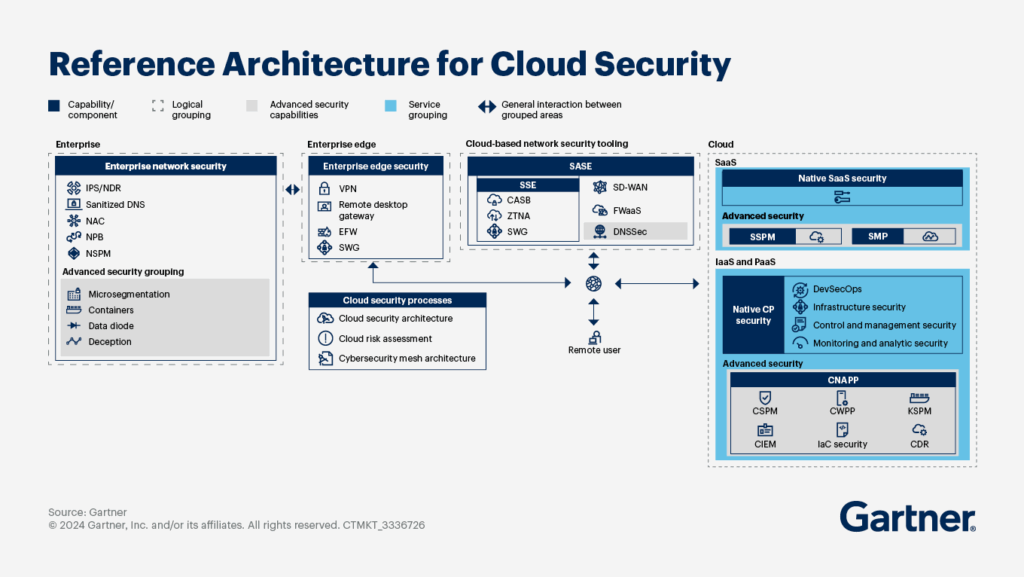
As organizations accelerate their cloud adoption journeys, the complexity of securing distributed, multi-cloud environments has become one of the most pressing challenges facing security teams today. Gartner’s latest reference architecture for cloud security provides a roadmap for building robust, layered security controls that span from the enterprise edge to cloud-native services.
TL;DR
Enterprise Network Security – The foundational layer with traditional network security tools enhanced by modern techniques like microsegmentation
Enterprise Edge Security – Focusing on secure remote access and hybrid perimeter protection
Cloud-Based Network Security Tooling – The critical bridge layer with SASE, SD-WAN, and cloud-delivered security services
Cloud-Native Security – Purpose-built cloud security tools including CSPM, CWPP, and KSPM
The Four Pillars of Modern Cloud Security
The reference architecture illustrates four critical security domains that must work in harmony to create a comprehensive defense strategy.
Enterprise Network Security: The Foundation Layer
At the core of any cloud security strategy lies traditional enterprise network security. This foundational layer includes familiar components like intrusion prevention systems (IPS/NDR), sanitized DNS, network access control (NAC), and network packet brokers (NPB). These technologies continue to serve as the first line of defense, protecting the corporate network perimeter and providing visibility into network traffic patterns.
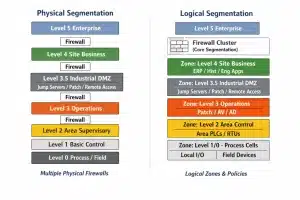
However, the modern twist comes through advanced security grouping capabilities. Organizations are implementing microsegmentation, containerization, data diode technologies, and advanced deception techniques to create granular security boundaries within their networks. This approach transforms the traditional “castle and moat” security model into a more sophisticated zero-trust framework.
Enterprise Edge Security: Securing the Hybrid Perimeter
The enterprise edge represents the critical junction between traditional corporate networks and cloud environments. This layer focuses on securing remote access through VPN technologies, remote desktop gateways, and enterprise firewall (EFW) solutions, complemented by secure web gateways (SWG).
What makes this layer particularly important is its role in enabling secure hybrid work models. As organizations support distributed workforces accessing cloud resources from various locations, the enterprise edge becomes the enforcement point for consistent security policies regardless of user location or device.
Cloud-Based Network Security Tooling: The Connectivity Bridge
The middle layer of the architecture addresses the complex challenge of securing connectivity between enterprise networks and cloud environments. This includes Secure Access Service Edge (SASE) components, software-defined WAN (SD-WAN) solutions, firewalls as a service (FWaaS), and DNS security (DNSSec).
This layer is where many organizations are seeing the most rapid evolution. The convergence of networking and security functions in cloud-delivered services is fundamentally changing how we think about network security architecture. Rather than deploying individual point solutions, organizations can leverage integrated platforms that provide consistent policy enforcement across hybrid environments.
Cloud-Native Security: Purpose-Built for the Cloud Era
The final domain focuses on cloud-native security services designed specifically for protecting cloud workloads and data. This includes native Software as a Service (SaaS) security tools, Security Service Edge (SSE) solutions, and advanced cloud security capabilities like Security Service Edge Management (SSPM) and Security Management Platforms (SMP).
The cloud-native layer also encompasses modern approaches to infrastructure security, including DevSecOps practices, infrastructure security management, and cloud workload protection platforms. Perhaps most importantly, it includes Cloud Security Posture Management (CSPM), Cloud Workload Protection Platforms (CWPP), and Kubernetes Security Posture Management (KSPM) – technologies that address the unique risks introduced by cloud-native architectures.
Advanced Security Capabilities: The Intelligence Layer
Overlaying these four domains are advanced security capabilities that provide the intelligence and automation needed to make the entire architecture effective. The reference model highlights several critical areas:
Cloud Security Processes form the operational backbone, including cloud security architecture design, continuous cloud risk assessment, and cybersecurity mesh architecture implementation. These processes ensure that security isn’t just a collection of tools but a coherent, manageable system.
Identity and Access Management (IaM) and Platform as a Service (PaaS) Integration ensures that security policies follow data and applications as they move between environments, maintaining consistent access controls regardless of where resources are hosted.
Monitoring and Analytics Security provides the visibility needed to detect threats, measure security effectiveness, and drive continuous improvement in security posture.
Key Takeaways for Security Leaders
This reference architecture reveals several important trends that security leaders should consider:
The Shift to Service-Based Security: Traditional appliance-based security is giving way to service-based models that can scale dynamically with cloud workloads. This shift requires new approaches to procurement, management, and integration.
The Importance of Integration: The arrows and interconnections in the diagram emphasize that modern cloud security isn’t about individual tools but about creating integrated security ecosystems. The most successful implementations will be those that prioritize interoperability and unified management.
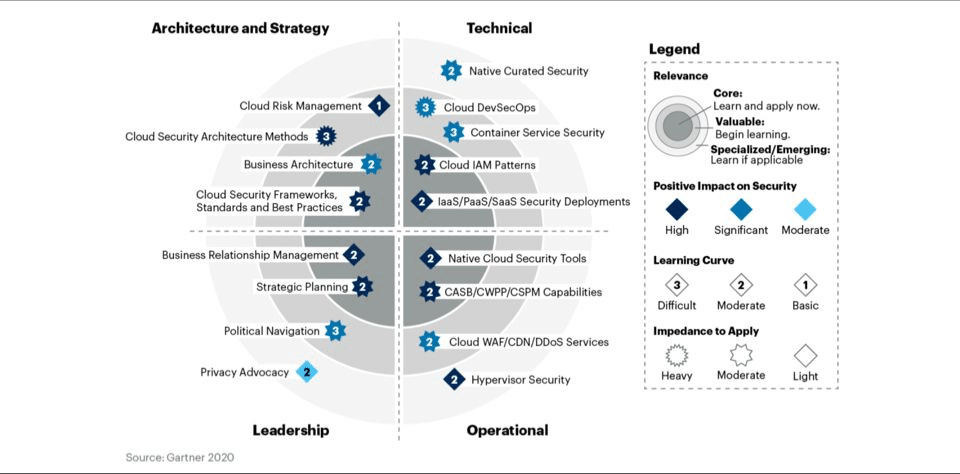
The Evolution of Skills Requirements: This architecture demands new skillsets that bridge traditional network security, cloud-native technologies, and DevOps practices. Organizations need to invest in training and hiring to build teams capable of managing this complexity.
The Critical Role of Process: Technology alone isn’t sufficient. The explicit inclusion of cloud security processes in the reference architecture underscores the need for mature operational practices to make these technologies effective.
Implementation Recommendations
When implementing this reference architecture, consider a phased approach that starts with strengthening your foundational enterprise network security before moving to more advanced cloud-native capabilities. Focus on establishing strong integration points between layers, and invest heavily in the advanced security capabilities that provide visibility and automation across the entire stack.
Most importantly, remember that this architecture is a reference model, not a prescriptive implementation guide. Your specific requirements, risk tolerance, and existing technology investments should drive how you adapt these concepts to your organization’s unique context.
The cloud security landscape continues to evolve rapidly, but frameworks like this Gartner reference architecture provide valuable guidance for building security programs that can adapt and scale with your organization’s cloud journey.
0 comments